
Explore the guide · Tap a topic
Meet the breedA water-loving giantCharacter, size, and what surprises new owners
The Newfoundland is a giant water-working dog, complete with a heavy coat and substantial paws. Its calm household manner comes with practical costs in grooming, space, and keeping cool.
Adults commonly weigh 100–150 lb; a typical lifespan guide is 9–10 years. These are breed-wide guides, never targets or forecasts for an individual pet.
Daily life & exerciseA day with a NewfoundlandExercise, play, and a practical daily rhythm
Regular walks and play are a sensible starting rhythm for a Newfoundland. Then look at your dog's energy, age, and health to decide whether they want more adventure or more time on the sofa.
For the Newfoundland, try a supervised water game if this dog enjoys it; never assume every member of a water-working breed wants to swim.
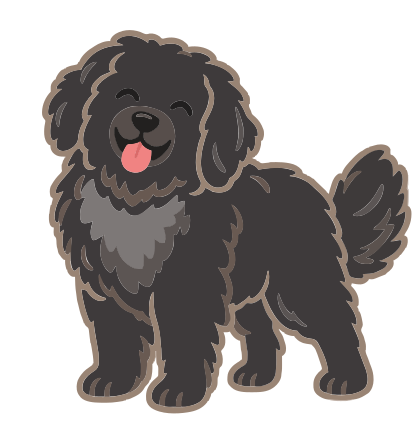
What would your Newfoundland love?
Add their age, size, and favorite things. We’ll find a few good places to start.
Training & temperamentLearning together with a NewfoundlandGood manners and individual personality
The Newfoundland is often devoted, sweet, and patient.
Give your Newfoundland a suitable search, fetch, or chase game when they enjoy it, and practice stopping and returning before excitement runs away with the lesson.
Coat & groomingThe Newfoundland coatGrooming and everyday care
The Newfoundland's short coat is simpler to brush, but a grooming session is still a useful chance to check the skin and paws. Brush several times a week, then check for knots before they turn into mats. Expect a bigger shed at certain times of year.
Bringing home a Newfoundland puppy?
Plan their first days with a little help from our puppy welcome kit.
Build a puppy welcome kitProduct starting pointsGood finds for your NewfoundlandFood, play, care, and rest
Choose food for your Newfoundland's life stage and measured weight. The breed range is a clue, but the portion and fit should follow the individual. Use this giant dog's measurements for a harness, carrier, crate, or bed; a breed name is not a size chart.
For your Newfoundland, start with something suited to safe water play, plus a brush chosen for the actual coat. Add a comfortable rest spot; a good product list should follow this dog's interests, not a breed stereotype.
Health & lifespanCaring for a Newfoundland over time9–10 years is a guide, not a forecast
The Newfoundland has a lifespan guide of 9–10 years, though no range predicts one dog's future. Keep a record of weight and changes in appetite or activity, and plan preventive care with your veterinarian.
A giant dog's growth, weight, and mobility deserve a deliberate plan. Ask your veterinarian about age-appropriate feeding and watch for changes in how comfortably your Newfoundland moves.
If you are meeting a breeder, ask to see the parents' screening records. The AKC lists hip evaluations, elbow evaluations, and heart examinations for the Newfoundland. These checks are questions for breeding stock, not a prediction of a puppy's future health.