
Explore the guide · Tap a topic
Meet the breedThe nose that takes the leadCharacter, size, and what surprises new owners
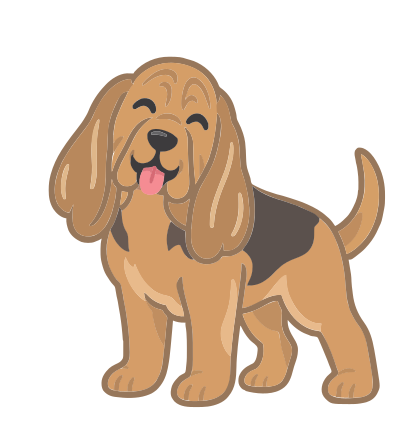
The Bloodhound's long ears, loose skin, and extraordinary scenting ability make it a memorable tracker. Let the nose work in safe places, because an interesting trail may be more persuasive than a shouted name.
Adults commonly weigh 80–110 lb; a typical lifespan guide is 10–12 years. These are breed-wide guides, never targets or forecasts for an individual pet.
Daily life & exerciseA day with a BloodhoundExercise, play, and a practical daily rhythm
Regular walks and play are a sensible starting rhythm for a Bloodhound. Then look at your dog's energy, age, and health to decide whether they want more adventure or more time on the sofa.
For the Bloodhound, hide a toy or treat for a short scent search. Let the nose work without turning every walk into a race.
What would your Bloodhound love?
Add their age, size, and favorite things. We’ll find a few good places to start.
Training & temperamentLearning together with a BloodhoundGood manners and individual personality
The Bloodhound is often independent, friendly, and inquisitive.
Practice coming back to you in a safe, enclosed space before the outdoors grows distracting. Keep a lead or secure boundary in the plan where this dog's curiosity could carry them away.
Coat & groomingThe Bloodhound coatGrooming and everyday care
The Bloodhound's short coat is simpler to brush, but a grooming session is still a useful chance to check the skin and paws. A weekly brushing is a sensible baseline; add sessions when the coat sheds or tangles more.
Bringing home a Bloodhound puppy?
Plan their first days with a little help from our puppy welcome kit.
Build a puppy welcome kitProduct starting pointsGood finds for your BloodhoundFood, play, care, and rest
Choose food for your Bloodhound's life stage and measured weight. The breed range is a clue, but the portion and fit should follow the individual. Use your dog's measurements for a harness, carrier, crate, or bed; a breed name is not a size chart.
For your Bloodhound, start with something suited to scent games, plus a brush chosen for the actual coat. Add a comfortable rest spot; a good product list should follow this dog's interests, not a breed stereotype.
Health & lifespanCaring for a Bloodhound over time10–12 years is a guide, not a forecast
The Bloodhound has a lifespan guide of 10–12 years, though no range predicts one dog's future. Keep a record of weight and changes in appetite or activity, and plan preventive care with your veterinarian.
If you are meeting a breeder, ask to see the parents' screening records. The AKC lists hip evaluations, elbow evaluations, and heart examinations for the Bloodhound. These checks are questions for breeding stock, not a prediction of a puppy's future health.