
Explore the guide · Tap a topic
Meet the breedA hound with a different sort of voiceCharacter, size, and what surprises new owners
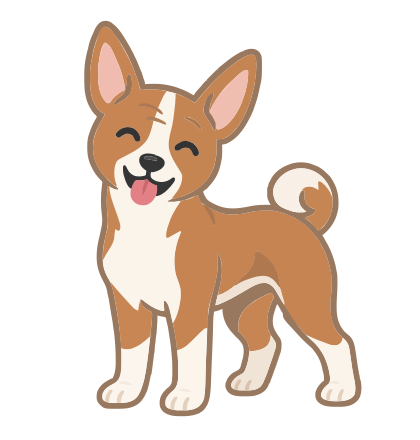
The Basenji comes from Central Africa and is famous for not giving an ordinary bark. It can still make plenty of sound and has a hound's interest in movement; a secure lead is a useful friend.
Adults commonly weigh 22–24 lb; a typical lifespan guide is 13–14 years. These are breed-wide guides, never targets or forecasts for an individual pet.
Daily life & exerciseA day with a BasenjiExercise, play, and a practical daily rhythm
Your Basenji may need an active day. Walks are a start; training games, play, and time outdoors add work for both body and brain. Build a puppy's activity gradually and ask your veterinarian about the right pace.
For the Basenji, hide a toy or treat for a short scent search. Let the nose work without turning every walk into a race.
What would your Basenji love?
Add their age, size, and favorite things. We’ll find a few good places to start.
Training & temperamentLearning together with a BasenjiGood manners and individual personality
The Basenji is often poised, independent, and smart.
Give your Basenji a suitable search, fetch, or chase game when they enjoy it, and practice stopping and returning before excitement runs away with the lesson.
Coat & groomingThe Basenji coatGrooming and everyday care
The Basenji's short coat is simpler to brush, but a grooming session is still a useful chance to check the skin and paws. A weekly brushing is a sensible baseline; add sessions when the coat sheds or tangles more.
Bringing home a Basenji puppy?
Plan their first days with a little help from our puppy welcome kit.
Build a puppy welcome kitProduct starting pointsGood finds for your BasenjiFood, play, care, and rest
Choose food for your Basenji's life stage and measured weight. The breed range is a clue, but the portion and fit should follow the individual. Use this smaller dog's measurements for a harness, carrier, crate, or bed; a breed name is not a size chart.
For your Basenji, start with something suited to scent games, plus a brush chosen for the actual coat. Add a comfortable rest spot; a good product list should follow this dog's interests, not a breed stereotype.
Health & lifespanCaring for a Basenji over time13–14 years is a guide, not a forecast
The Basenji has a lifespan guide of 13–14 years, though no range predicts one dog's future. Keep a record of weight and changes in appetite or activity, and plan preventive care with your veterinarian.
If you are meeting a breeder, ask to see the parents' screening records. The AKC lists hip evaluations, eye examinations, and thyroid evaluations for the Basenji. These checks are questions for breeding stock, not a prediction of a puppy's future health.